

Discover the architectural treasures of Richmond / Wayne County Indiana
For architecture enthusiasts and history buffs, Richmond and Wayne County hold a treasure trove of discoveries, from stately period homes to idyllic well-appointed city structures.
Wayne County initially settled along the Old National Road, developing over time into what is now essentially an open-air museum of historic buildings to admire. Take a leisurely drive west from Richmond on U.S. 40 for a DIY tour.
First stop — Centerville, where you’ll find the quirky “Centerville Arches,” five arched structures created in the 1830s to allow the passage of a horse and buggy between two rows of buildings. This quaint small town is home to the Salisbury Courthouse (the first in Wayne County built in 1811) and the Centerville-Center Township Public Library situated in the county’s first jail. Head inside to check out original documents and files, including accounts of the uprising that ensued when the county seat relocated to Richmond in 1873.
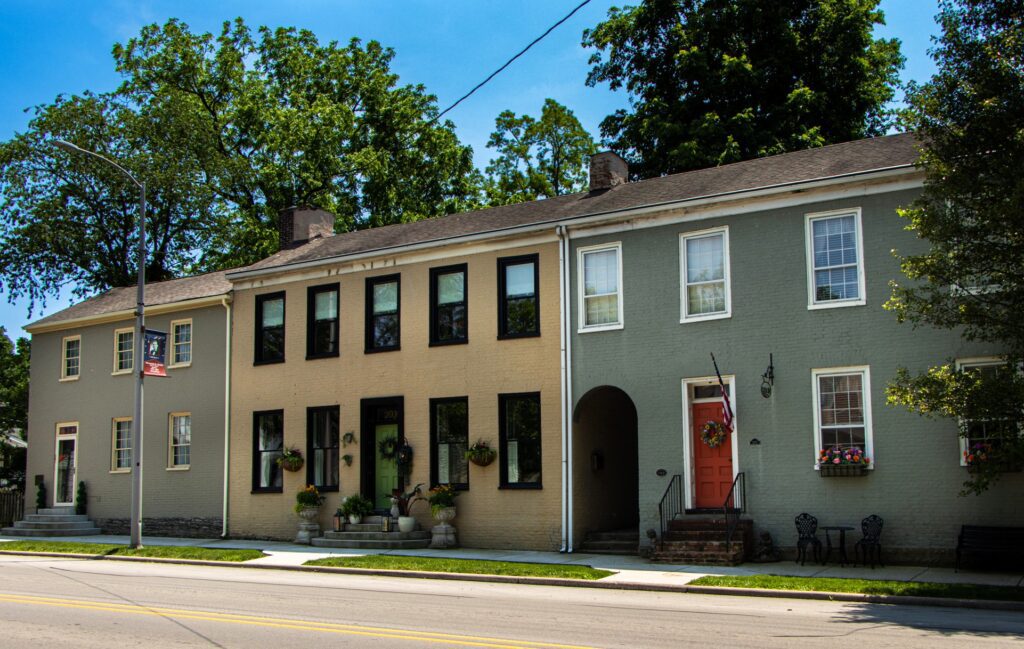
Also in Centerville, the Federal-style Jacob Julian home built by a local lawyer in 1849 was purchased by Oliver P. Morton in 1857, who lived there until he was elected Governor of Indiana in 1861. And it’s hard to miss the Hannah House, a handsome brick property constructed along the national road in 1858, today a National Register of Historic Places entry.
Further to the west in Cambridge City, you’ll find the Conklin-Montgomery House (an 1830s Greek Revival stunner), the Meredith-Rice House (home to an Iron Brigade Commander at the Battle of Gettysburg), and the impressive Huddleston Farmhouse that once functioned as an inn for National Road travelers.
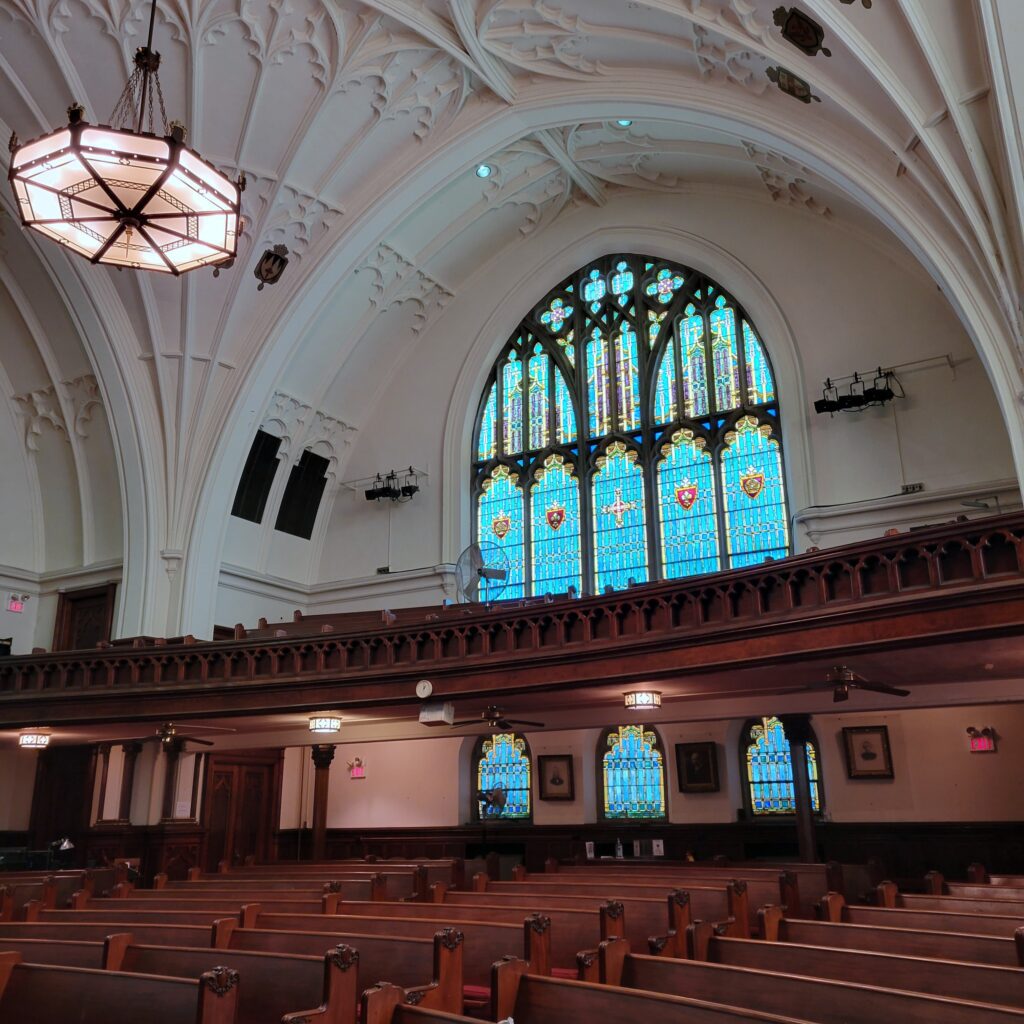
In Richmond, spend some time admiring Millionaire’s Row, a stretch of turn-of-the-century Victorian residences lining East Main Street from 18th Street east past Glen Miller Park. Notable local families have called the prestigious Reeveston neighborhood home since its inception in the early 1900s. The Historic Depot District also merits exploration with an appealing collection of shops and restaurants built up around the city’s original train depot. You can stop into the Reid Center during one of their free scheduled tours to check out the former Presbyterian church’s breathtaking collection of 62 Tiffany stained-glass windows or visit during one of the stunning music concerts.
Self-guided walking tours through Old Richmond and the Starr Historic District are a great way to learn more about the historical buildings that populate these legendary local neighborhoods.
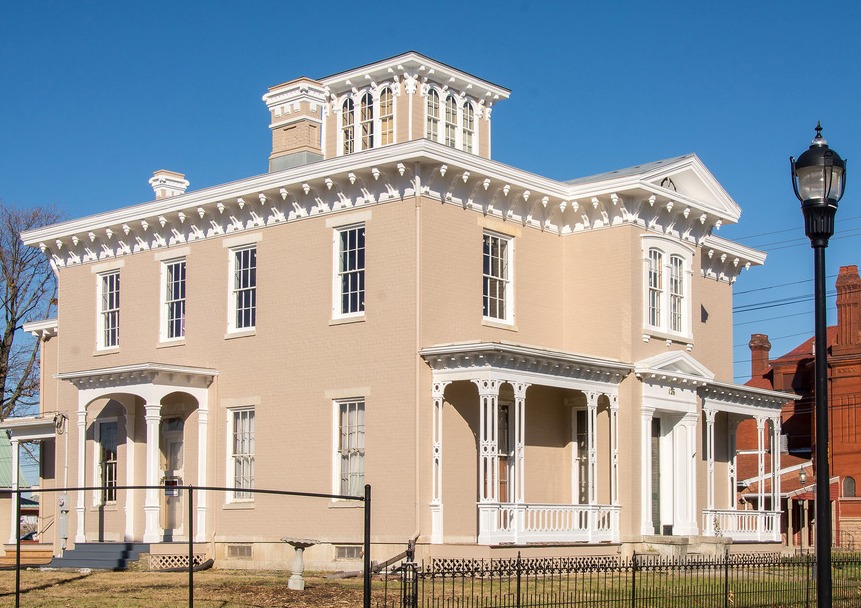
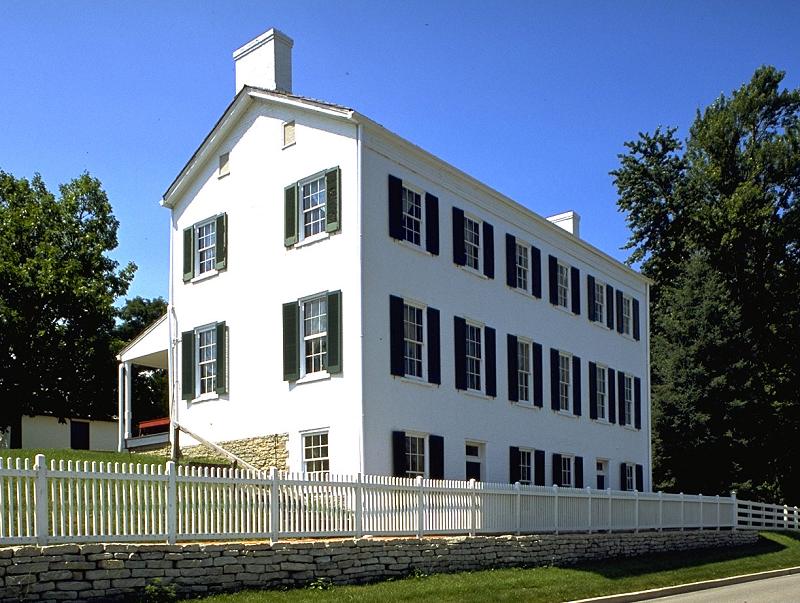
Built in 1839, the Levi and Catharine Coffin State Historic Site in Fountain City (also known as the Grand Central Station of the Underground Railroad) features an indoor well — an unheard of accommodation for the time. A more modern stop, the Teetor Home in Hagerstown was where blind inventor Ralph Teetor raised his family as he innovated automotive advancements like the Speedostat — what we now call cruise control.
Blog Written by: Amy Lynch
