

Celebrating Black History Month in Wayne County
Home to Indiana’s earliest African-American settlement, Wayne County is proud of its rich Black history and heritage.
Even two centuries after its operation, legend and lore still continue to surround stories about the Underground Railroad. This clandestine network provided shelter and assistance to thousands of individuals escaping the bonds of slavery in pursuit of freedom. Black History Month, observed each February, presents a meaningful opportunity to commemorate Wayne County’s role in this important effort.
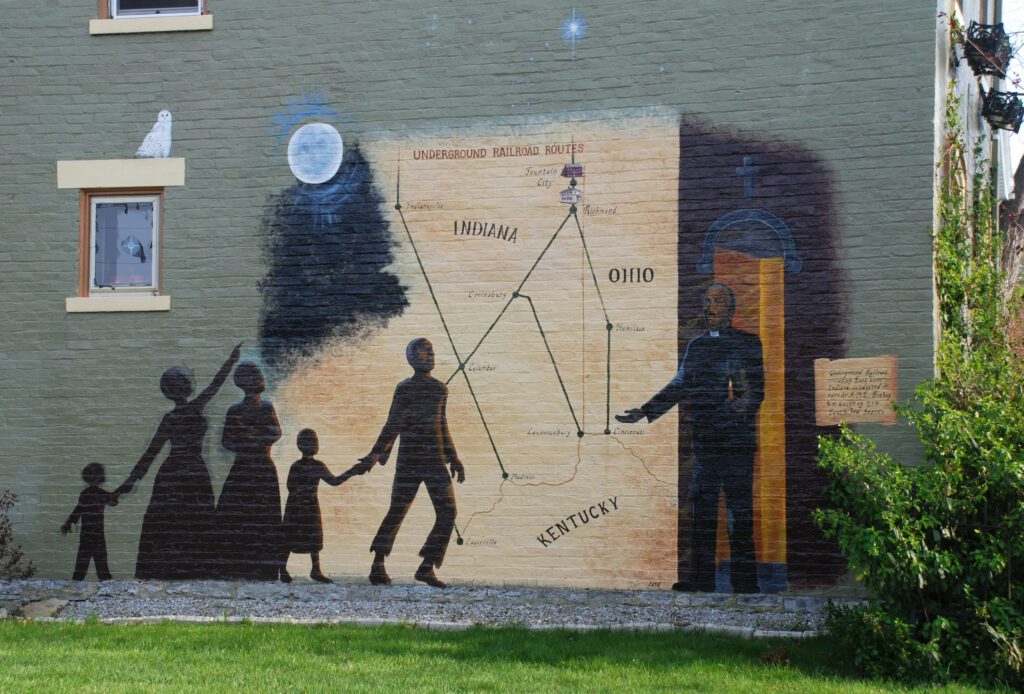
Joining the ranks of significant conductors like Harriet Tubman and Frederick Douglass, Levi Coffin joined the Underground Railroad movement when he was just a teenager living in North Carolina. Later moving to Indiana with his wife Catharine, the Quaker farmer and businessman settled in what was then called Newport (now Fountain City) north of Richmond.
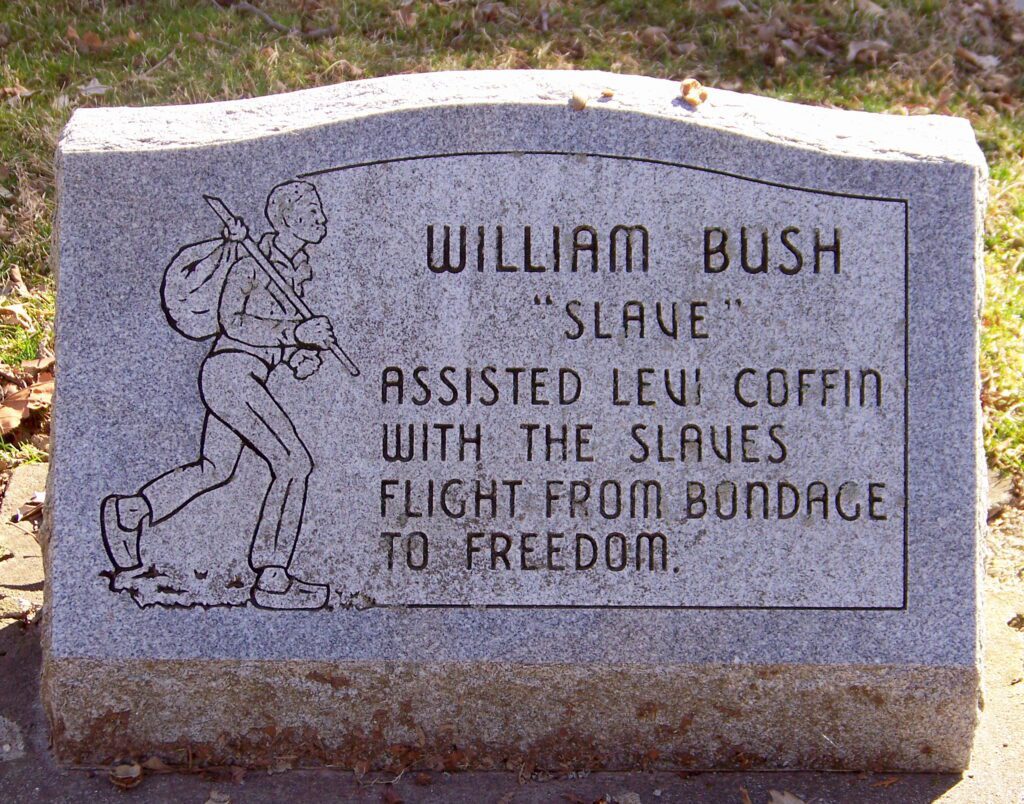
Over time, the two-story, Federal-style brick home that the Coffins built in 1839 became known as the Grand Central Station of the Underground Railroad. Although exact numbers are unknown, the property is believed to have offered a safe haven for more than 1,000 freedom seekers on their way to Canada. William Bush, a North Carolina slave who shipped himself to Coffin in a wooden box to escape bondage, is buried in the local Fountain City Cemetery.
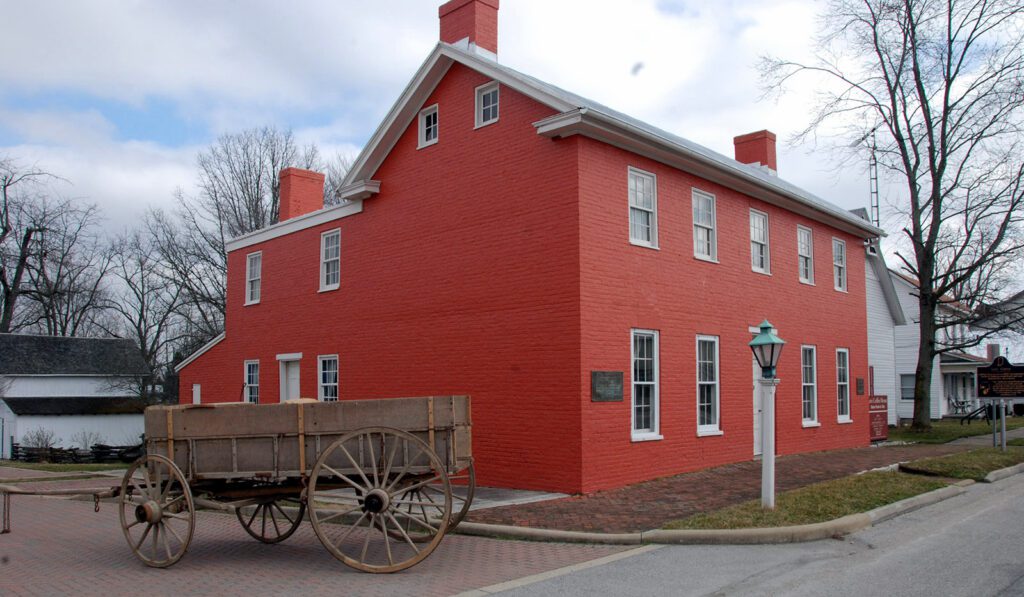
Now an Indiana State Museum Historical Site, the Levi and Catharine Coffin House is open for guided tours and community events. Wooden shoes worn by William Bush hold a special place in the collections on display within the interpretive center. A little further north is Longtown, founded in 1818, making it the earliest known settlement of free Black people in the Indiana/Ohio region. Vestiges of the 900-member farming community still exist today.
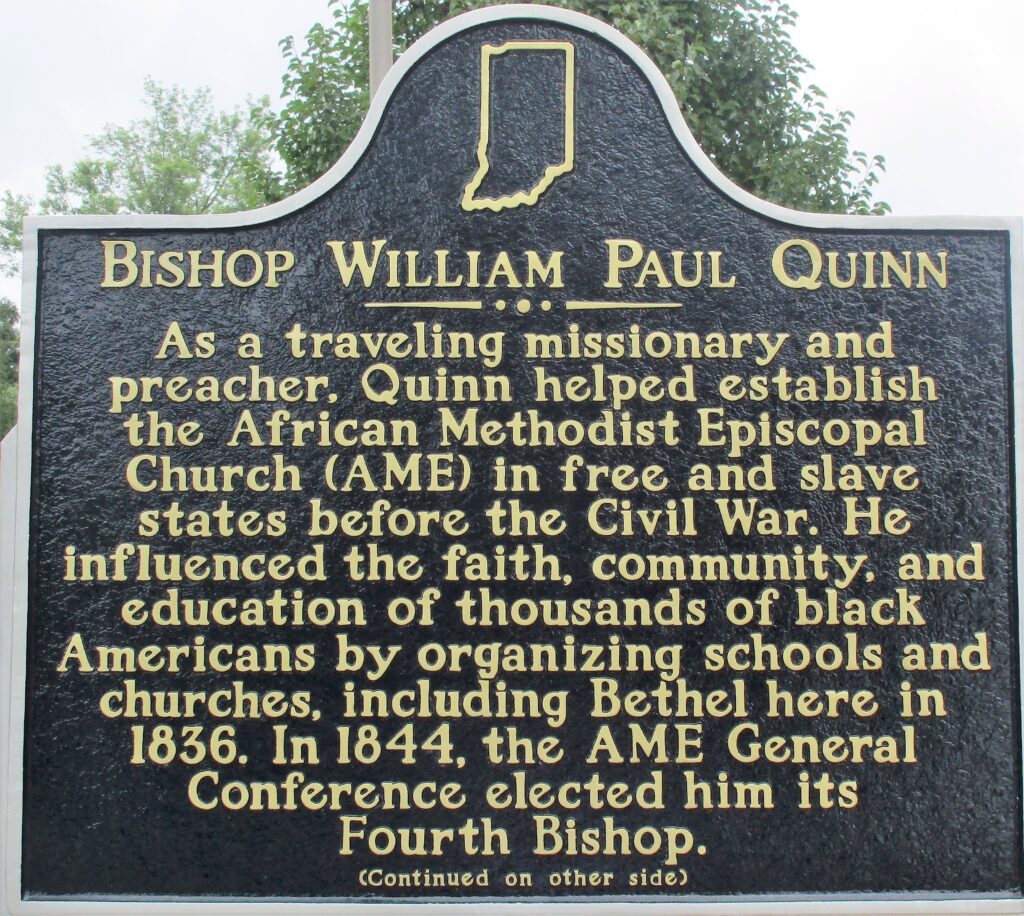
Founded by Bishop William Paul Quinn in 1836, Richmond’s long-standing Bethel AME Church represents one of the first independent Black church denominations in Indiana. It remains the oldest still-active Black church in the state. Bishop Quinn was buried in Earlham Cemetery after his death in 1873, and an Indiana State Historical Marker stands in his honor at South B Street and South 6th Street near downtown Richmond.
And no discussion of Wayne County’s Black History would be complete without mentioning Gennett Records. Some of the most prominent jazz, blues and gospel artists of the early 20th century recorded right here in Richmond, including the likes of Jelly Roll Morton, Louis Armstrong, Duke Ellington and Charley Patton. The label made history as one of the first studios to bring Black and white artists together for racially integrated recording sessions. The informative medallions that line the Gennett Records Walk of Fame in the Whitewater Gorge offer additional insight.
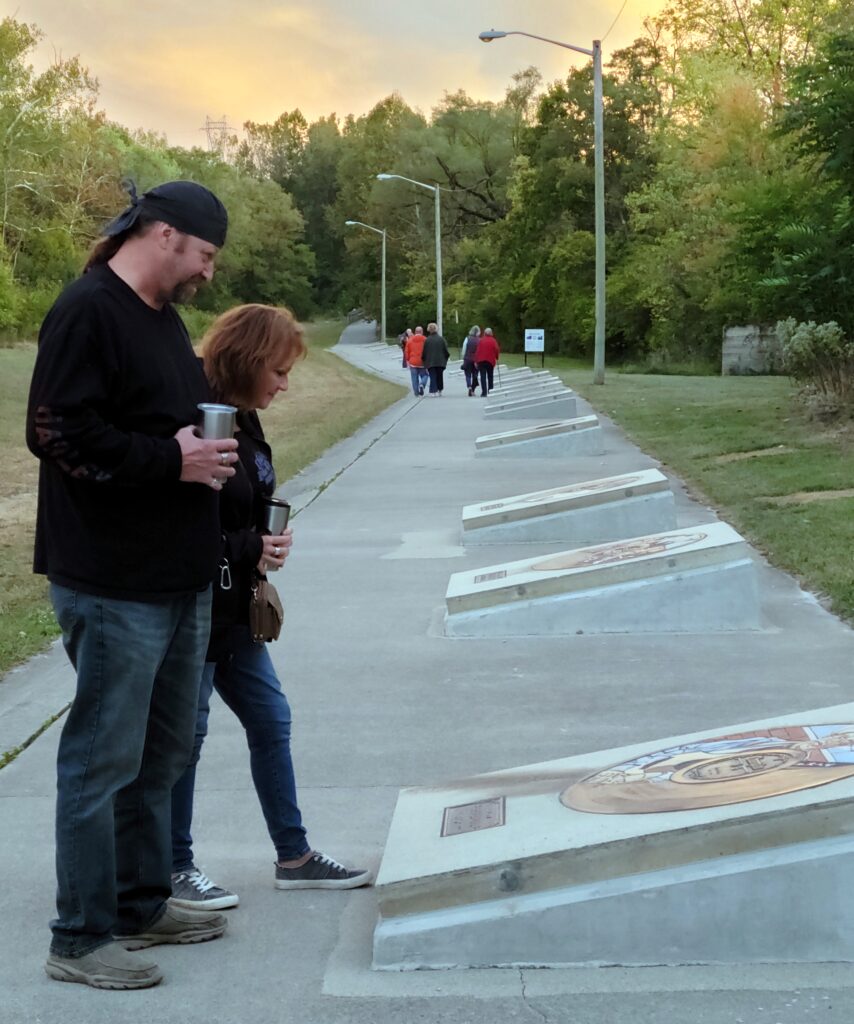
Continue your journey into history by participating on the Black History Trail. The trail takes you to the sites that are significant in telling about Wayne County’s Underground Railroad movement as well as the history, music, culture, entrepreneurship, and contributions of Wayne County’s Black community. Earn 100 points and earn a Black History Trail tote bag!
To learn more about Black History in Wayne County, go to visitrichmond.org. And look for the Richmond/Wayne County Visitor Guide publication on racks with great local trip ideas, itineraries, activities, events and attractions.

Amy Lynch is an Indianapolis-based freelance writer specializing in Midwestern food and travel content. An Active member of the Midwest Travel Journalists Association and the Bourbon Women’s Association, she enjoys road trips, books, live music and breakfast all day.
